

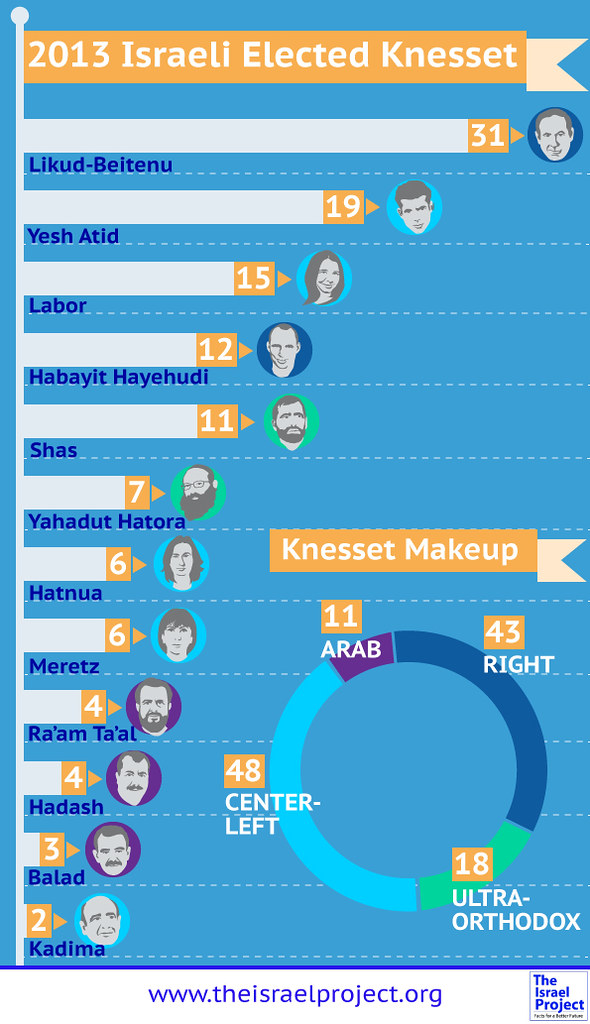
Israeli election results indicate no clear winner, as exit polls show Eisenkot’s bloc just ahead of Netanyahu’s party, raising questions about future governance.
Understanding the Israeli election results
The recent Israeli election results have left the nation in a state of uncertainty, as no clear winner has emerged from the polls. With the exit polls indicating a narrow lead for Eisenkot’s bloc over Netanyahu’s party, the political landscape remains tense.
The election has been marked by several key factors that influenced voter decisions:
- Voter Turnout: High participation rates were observed, reflecting the public’s engagement with the political process.
- Campaign Strategies: Both blocs employed aggressive campaign tactics that resonated with different segments of the electorate.
- Issues at Stake: Economic concerns, security, and social policies were pivotal in shaping voter opinions.
As the dust settles from the election, analysts are closely monitoring the negotiations between parties, as coalition-building will be critical in determining the next steps for the Israeli government. The absence of a decisive majority means that compromise and alliances will be essential in the coming days. With the Israeli election results still under scrutiny, observers are left wondering how this outcome will impact the nation’s future direction.
Key players in the election
The recent Israeli election results have highlighted several key players who are shaping the political landscape. As the nation awaits further developments, the following figures have emerged as crucial in the ongoing uncertainty:
- Benny Gantz – The leader of the National Unity Party has positioned himself as a centrist alternative. His bloc’s performance in the election indicates a significant presence in the Knesset.
- Yair Lapid – Former Prime Minister and head of the Yesh Atid party remains a prominent figure. His focus on social issues continues to resonate with many voters.
- Benjamin Netanyahu – The long-serving Prime Minister leads the Likud party. Despite facing challenges, he remains a formidable force in Israeli politics.
- Gadi Eisenkot – With his bloc showing strong results in exit polls, Eisenkot is gaining attention. His military background may influence public perception as negotiations unfold.
As parties navigate the complex aftermath of the Israeli election results, the actions and alliances of these key players will be critical in determining the future direction of the government.
Implications of no clear winner
The recent Israeli election results have left the nation in a state of uncertainty, as no clear winner has emerged. This lack of a decisive outcome poses several implications for the country’s political landscape.
Firstly, the division among parties may lead to prolonged negotiations for coalition building. With multiple factions vying for power, forming a stable government could prove challenging. Political analysts suggest that the inability to secure a majority may result in a fragmented Knesset, complicating legislative processes.
Moreover, the tense outcome could exacerbate existing societal divides. Voter sentiment reflects a nation grappling with differing ideologies and priorities, which may hinder cooperation between parties. As leaders navigate this complex terrain, the potential for political deadlock looms large.
In addition, the uncertainty surrounding the Israeli election results may affect the country’s standing on the international stage. Allies are likely to watch closely as Israel’s political future unfolds, and shifts in governance could influence foreign relations and policy decisions.
In summary, the absence of a clear victor in the recent elections suggests a turbulent road ahead for Israeli politics, with significant implications for governance and societal cohesion.
Voter turnout analysis
The recent Israeli election results have brought attention to the voter turnout, which plays a crucial role in shaping the political landscape. Preliminary reports indicate that voter turnout was slightly lower than in previous elections, raising questions about the engagement of the electorate.
According to estimates, the overall turnout was around 62%, a decrease from the last election cycle. This drop may reflect a sense of disillusionment among voters, as many feel that their choices are limited given the fragmented political environment.
Several factors contributed to this decline:
- Voter apathy: Many citizens expressed frustration over the ongoing political stalemate and the absence of a clear winner.
- Distrust in the process: Allegations of corruption and inefficiency within the political system have led some to question the integrity of their votes.
- Election fatigue: With multiple elections in recent years, some voters have grown weary of the continuous political cycle.
The implications of these voter turnout trends will be significant as the country braces for coalition negotiations, which could further complicate the already tense outcome of the Israeli election results.
What’s next for Netanyahu?
As the dust settles on the recent Israeli election results, the future for Prime Minister Benjamin Netanyahu remains uncertain. With no clear winner emerging from the polls, Netanyahu faces mounting pressure from both supporters and rivals. His longstanding leadership is now challenged by a coalition of parties rallying around former military chief Gadi Eisenkot, who is poised to form a competing bloc.
In the coming days, Netanyahu will need to navigate a complex political landscape marked by shifting alliances and potential negotiations. Key considerations for him include:
- Coalition-building: Netanyahu must secure enough support from smaller parties to maintain his position and form a stable government.
- Addressing dissent: He will have to manage discontent within his own party and among coalition partners, given the tight race.
- Public perception: Netanyahu’s ability to connect with the electorate will be crucial as he faces criticism and rallies from opposition groups.
As discussions unfold, the implications of the Israeli election results will likely shape the country’s political future and governance for years to come.
Eisenkot’s bloc: A closer look
The recent Israeli election results have revealed a tightly contested race, particularly for Eisenkot’s bloc, which has emerged as a significant player in the political landscape. This coalition, led by former IDF chief Gadi Eisenkot, has positioned itself as a moderate alternative to the long-standing leadership of Benjamin Netanyahu.
While the election did not yield a clear winner, Eisenkot’s bloc managed to capture substantial support among voters seeking a shift away from Netanyahu’s policies. Key factors contributing to their appeal include:
- Security Concerns: Eisenkot’s military background resonates with constituents prioritizing national security.
- Social Issues: The bloc’s focus on social equality and economic reforms has attracted a diverse voter base.
- Coalition Potential: Their willingness to collaborate with other parties enhances their chances of influencing future governance.
As the nation grapples with the implications of the election results, Eisenkot’s bloc stands poised to play a pivotal role in shaping Israel’s political future, navigating the intricate dynamics of forming a government amidst uncertainty.
Reactions from the public and analysts
The recent Israeli election results have sparked a wave of reactions from both the public and political analysts, as the absence of a clear winner leaves many uncertain about the future.
Citizens expressed mixed feelings, with some feeling disillusioned by the electoral process, while others remain hopeful for a change in leadership. Yossi Cohen, a Tel Aviv resident, stated, “I expected a decisive result, but this uncertainty is unsettling. We need a government that can make real progress.”
Analysts are closely examining the implications of the election, especially concerning Netanyahu’s future and the position of Eisenkot’s bloc. Dr. Maya Lev, a political analyst, commented, “The Israeli election results reflect a fragmented political landscape. This could lead to prolonged negotiations and coalition talks.”
As discussions unfold, the public remains attentive, with many taking to social media to voice their opinions. Amir Katz, a political commentator, noted, “The lack of a clear winner may force parties to rethink their strategies and alliances moving forward.”
Overall, the election results have initiated a complex dialogue among voters and experts alike, highlighting the challenges ahead for Israeli democracy.
By Facts for a Better Future via Openverse
Sources
Related reading
Justice SK Kaul Clarification: A Clear Response to Criticism · Air India cutlery mystery: What is the real answer? · AI Tool for Skin Cancer: Is It the Best Solution?