

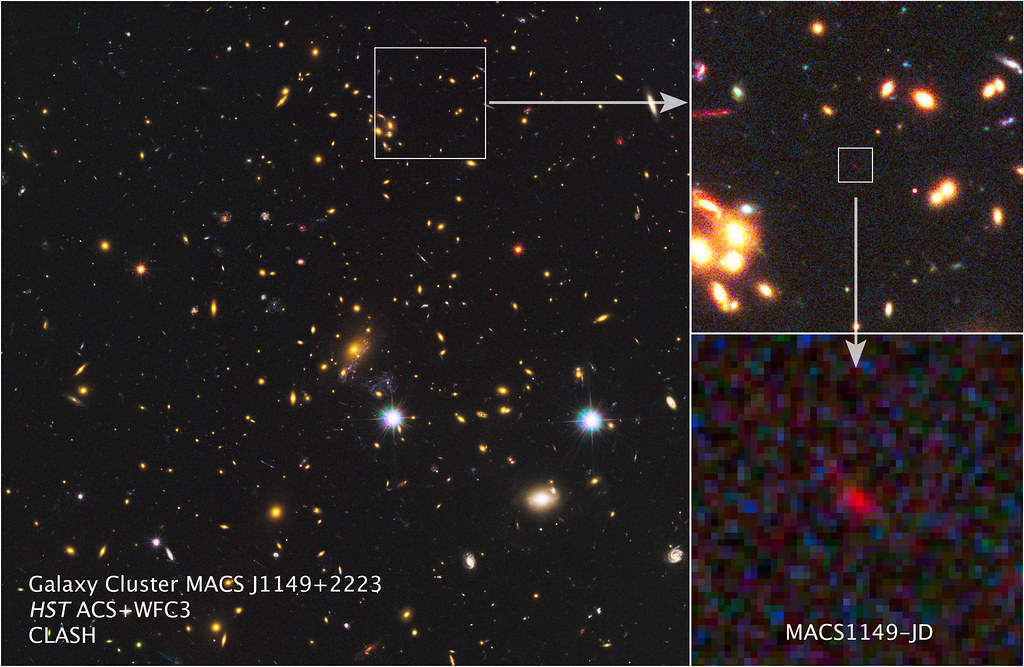
The Cosmic Dark Ages are depicted in a groundbreaking simulation that showcases the birth of stars and galaxies. This remarkable visualization offers insights into our universe’s early history.
Understanding the Cosmic Dark Ages
The Cosmic Dark Ages refers to a period in the universe’s history, approximately 400 million years after the Big Bang, when the cosmos was largely devoid of stars and galaxies. During this time, the universe was shrouded in darkness, as no luminous objects existed to illuminate the vast expanses of space.
Recent advancements in astronomical simulations have provided researchers with invaluable insights into this enigmatic era. These simulations allow scientists to recreate conditions of the early universe and explore how the first stars and galaxies formed. The best proven simulation of star formation during the Cosmic Dark Ages has generated remarkable visualizations, showcasing the processes that led to the emergence of light in an otherwise dim universe.
Key findings from these simulations include:
- The role of dark matter in clumping together to form the first structures.
- How the first stars emitted light and energy, triggering a reionization phase.
- The dynamics of gas and dust that contributed to star formation.
Through these efforts, scientists are piecing together the narrative of the Cosmic Dark Ages, shedding light on a critical chapter in the evolution of our universe.
The Birth of Stars Explained
The birth of stars marks a pivotal moment in the universe’s history, particularly during the Cosmic Dark Ages, a period characterized by the absence of light from celestial bodies. Recent simulations have provided groundbreaking insights into how these stars formed from primordial gas clouds.
In the incredible new simulation, researchers modeled the conditions of the early universe, revealing crucial processes that led to the first star formations. The simulation highlights several key factors:
- Gravity’s Role: As gas clouds began to cool, gravity played an essential part in pulling the mass together, leading to the dense regions necessary for star formation.
- Radiative Cooling: The release of energy through radiation allowed these clouds to lose heat, enabling them to condense further and ignite nuclear fusion.
- Feedback Mechanisms: The simulation also showed how newly formed stars influenced their surroundings, affecting the birth of subsequent stars and galaxies.
Understanding these processes sheds light on the transition from the dark ages of the universe to a vibrant cosmos filled with stars and galaxies. This breakthrough not only enhances our knowledge of cosmic evolution but also underscores the significance of the Cosmic Dark Ages in shaping the universe we observe today.
Galaxies Forming in Simulation
Recent advancements in astrophysical simulations have provided an unprecedented look into the Cosmic Dark Ages, a period when the universe was devoid of light from stars. In a groundbreaking simulation, researchers have been able to model the intricate processes that led to the formation of galaxies during this epoch.
This simulation highlights several key factors in galaxy formation:
- Gas Density: The concentration of gas in certain regions became high enough to trigger gravitational collapse, leading to the first stars.
- Dark Matter Influence: Dark matter played a crucial role in the gravitational scaffolding that allowed galaxies to form and evolve over time.
- Radiation Feedback: The radiation emitted by the first stars impacted the surrounding gas, affecting star formation rates and galaxy development.
As the simulation progresses, it vividly illustrates how these elements interact to create structures that would eventually become the galaxies we observe today. This innovative approach not only enhances our understanding of the Cosmic Dark Ages but also offers a visually striking representation of the universe’s evolution, shedding light on a largely mysterious chapter of cosmic history.
Importance of Cosmic Evolution
The study of the Cosmic Dark Ages is crucial in uncovering the history of our universe. This era, which followed the Big Bang, is characterized by the absence of light from stars and galaxies, leading to a profound understanding of cosmic evolution.
During the Cosmic Dark Ages, the universe was predominantly filled with hydrogen and helium, providing the essential building blocks for future star formation. Understanding this period allows scientists to piece together the mechanisms that led to the emergence of luminous celestial bodies.
The significance of studying cosmic evolution during this time can be summarized in several key points:
- Revealing Star Formation Processes: Insights gained from simulations can help to illustrate how the first stars ignited.
- Understanding Galaxy Formation: It provides a framework for how early galaxies began to cluster and evolve.
- Illuminating Cosmic History: By examining the Cosmic Dark Ages, researchers can better understand the timeline of the universe.
- Connecting Theory with Observation: Simulations bridge gaps between theoretical predictions and astronomical observations.
Ultimately, the exploration of the Cosmic Dark Ages enriches our understanding of the universe’s journey from darkness to light.
How Simulations Change Astronomy
Simulations have revolutionized our understanding of the universe, especially during the Cosmic Dark Ages, a time shrouded in mystery. By creating detailed models of cosmic evolution, astronomers can visualize complex processes that occurred billions of years ago.
These simulations allow scientists to:
- Test Hypotheses: Researchers can propose theories about star formation and galaxy development, then use simulations to validate or refute these ideas.
- Observe Interactions: Simulating the gravitational influences of dark matter and gas enables a closer look at how these forces shaped the early universe.
- Predict Outcomes: By adjusting variables within a simulation, astronomers can foresee potential scenarios of cosmic evolution.
One of the most significant benefits of these simulations is their ability to visualize the transition from darkness to light. As the first stars ignite, they illuminate the surrounding gas, marking the end of the Cosmic Dark Ages. This pivotal moment is essential for understanding how galaxies began to form and evolve into the structures we observe today.
Ultimately, simulations serve as a powerful tool for both education and research, offering insights that were once beyond our reach.
Future of Space Exploration
The future of space exploration is poised to be profoundly influenced by our understanding of the Cosmic Dark Ages. As researchers develop more sophisticated simulations of star formation, we gain critical insights into the universe’s early stages. These advancements not only enhance our knowledge but also guide the direction of future missions and explorations.
One key area of focus is the ability to observe distant galaxies and their formation processes. With new telescopes and technology, scientists aim to explore regions of space that were previously obscured during the Cosmic Dark Ages. These efforts could reveal new information about how stars and galaxies evolved, altering our perception of cosmic history.
Furthermore, upcoming space missions are expected to incorporate findings from recent simulations. The data gleaned from these studies will inform the design of instruments capable of detecting the faint light from the first stars, shedding light on a period that has long remained a mystery.
- Investments in next-generation telescopes.
- Collaborations between international space agencies.
- Focus on uncovering the mysteries of early cosmic phenomena.
As our exploration of the universe progresses, the lessons learned from the Cosmic Dark Ages will remain pivotal in shaping our understanding of the cosmos.
What This Means for Science
The recent advancements in simulating the Cosmic Dark Ages have profound implications for our understanding of the universe. By accurately modeling the conditions during this enigmatic period, scientists can delve deeper into the processes that led to the formation of stars and galaxies. This research not only sheds light on the birth of cosmic structures but also enhances our grasp of fundamental astrophysical phenomena.
Moreover, these simulations provide a framework for studying the evolution of the universe over billions of years. They allow researchers to test various theoretical scenarios, leading to a refined understanding of dark matter and dark energy’s roles. The ability to visualize the Cosmic Dark Ages in unprecedented detail offers a new perspective on how matter coalesced to form the first luminous objects.
- Enhanced Understanding: Improved insights into cosmic evolution.
- Testing Theories: Validating hypotheses about star formation.
- Future Implications: Guiding future observations and explorations.
Ultimately, these simulations represent a significant leap forward in the field of cosmology, helping to bridge the gap between theoretical predictions and observable phenomena in our ever-expanding universe.
By NASA Universe via Openverse