

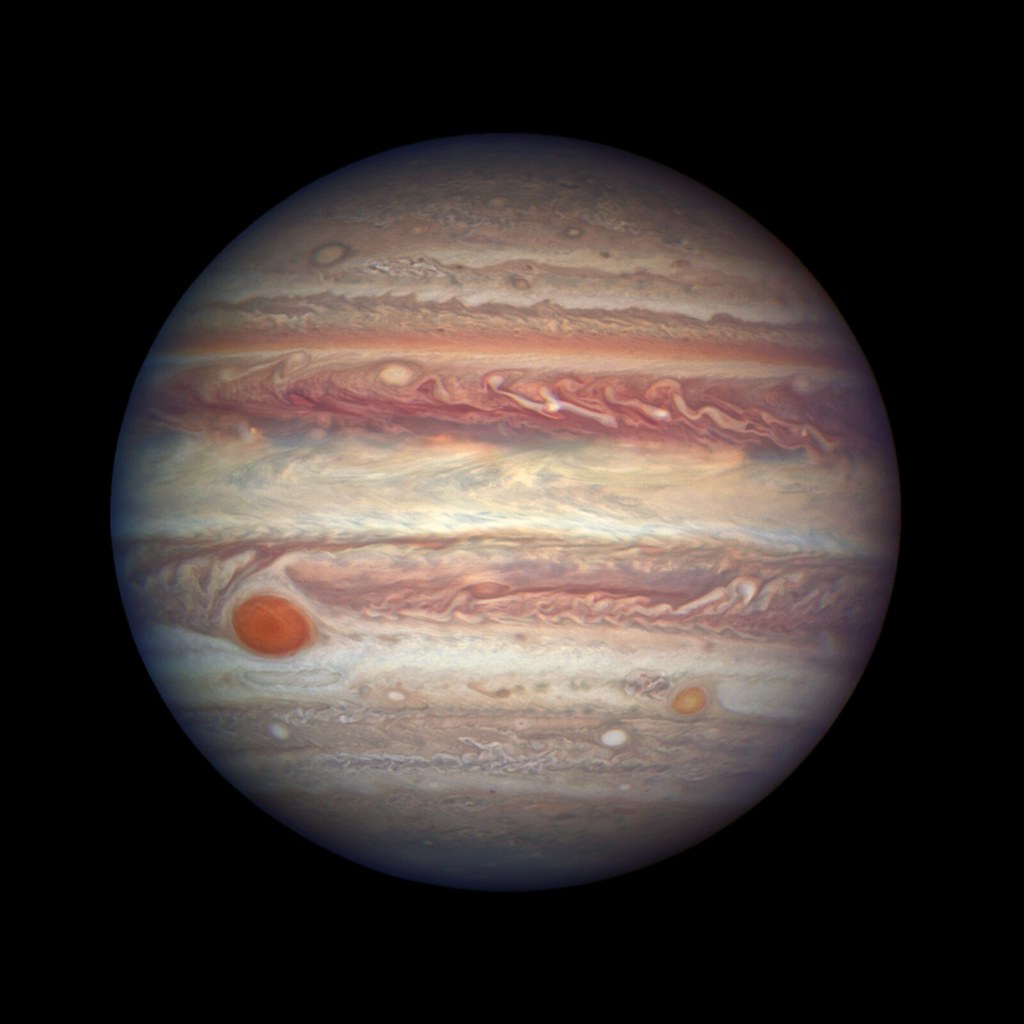
NASA Roman Telescope is set to revolutionize our understanding of the universe with its advanced 300-megapixel capabilities. This groundbreaking technology promises to unveil new cosmic discoveries and enhance our astronomical observations.
Introduction to NASA Roman Telescope
The NASA Roman Telescope is poised to revolutionize our understanding of the universe with its advanced imaging capabilities. Designed to capture the cosmos in unprecedented detail, this telescope is set to open a new chapter in astronomical research.
With a remarkable 300-megapixel camera, the Roman Telescope will vastly improve our ability to observe distant galaxies, star clusters, and other celestial phenomena. This ambitious project aims to conduct wide-field surveys of the sky, providing astronomers with a treasure trove of data to analyze.
The significance of the Roman Telescope lies not only in its powerful imaging technology but also in its potential to address some of the most pressing questions in astrophysics. Key objectives include:
- Investigating dark energy and its effects on the expansion of the universe.
- Studying the formation and evolution of galaxies over billions of years.
- Identifying and characterizing exoplanets in nearby star systems.
As the launch date approaches, the astronomical community eagerly anticipates the insights that the NASA Roman Telescope will bring to light.
How Does the Roman Telescope Work?
The NASA Roman Telescope is designed to revolutionize our understanding of the cosmos through its advanced technology. At the heart of its capabilities is a 300-megapixel camera, which allows for incredibly detailed images of distant celestial objects.
One of the key features of the Roman Telescope is its wide field of view. Unlike previous telescopes that focused on small portions of the sky, the Roman can capture large swathes of the universe simultaneously. This is achieved through its unique optical design, which combines a large primary mirror with sophisticated optics to minimize distortions.
Additionally, the telescope utilizes infrared observations to peer through cosmic dust, revealing hidden structures and phenomena. This capability allows scientists to study a variety of astronomical topics, including the formation of galaxies and the nature of dark energy.
With its advanced technology, the NASA Roman Telescope promises to provide unprecedented insights into the universe, making it a pivotal tool for researchers and astronomers alike.
What Makes the Roman Telescope Unique?
The NASA Roman Telescope stands out in the field of astronomical research for several reasons, making it a unique asset for space exploration.
One of its most notable features is its 300-megapixel camera, which allows it to capture images with unprecedented clarity and detail. This high resolution is crucial for studying distant galaxies and celestial phenomena.
Additionally, the Roman Telescope is equipped with a wide field of view, enabling it to survey large portions of the sky in a single observation. This capability allows scientists to gather extensive data more efficiently than ever before.
Another aspect that makes the NASA Roman Telescope unique is its ability to conduct gravitational microlensing surveys. This technique helps in detecting exoplanets and understanding dark matter, offering insights into the universe’s composition.
Furthermore, its mission is designed to complement other telescopes, working in tandem with both ground-based and space-based observatories. This collaborative approach enhances our understanding of the cosmos and solidifies the Roman Telescope’s role as a key instrument in modern astronomy.
The Impact of the Roman Telescope on Astronomy
The launch of the NASA Roman Telescope is set to revolutionize the field of astronomy, providing unprecedented capabilities for exploring the universe. With its advanced 300-megapixel camera, the telescope will capture images with remarkable clarity, allowing scientists to study distant celestial objects in great detail.
One of the most significant impacts of the Roman Telescope will be its ability to enhance our understanding of dark energy and dark matter. It will conduct extensive surveys of the universe, mapping the distribution of galaxies and their interactions. This data will help answer fundamental questions about the structure and evolution of the cosmos.
Furthermore, the Roman Telescope will contribute to the search for exoplanets through its wide field of view, enabling astronomers to identify and characterize new worlds outside our solar system. As a result, it may uncover potentially habitable planets that could harbor life.
In summary, the NASA Roman Telescope promises to broaden our astronomical horizons, ultimately reshaping our knowledge of the universe and our place within it.
Upcoming Missions with the Roman Telescope
The NASA Roman Telescope is set to embark on several groundbreaking missions that aim to deepen our understanding of the universe. With its advanced technology and capabilities, this telescope is poised to make significant contributions to various fields of astronomy.
One of the primary missions includes:
- Wide Field Imaging Survey: This mission will focus on mapping large portions of the sky, capturing vast amounts of data that could reveal new cosmic phenomena and uncovering previously hidden structures in the universe.
- Exoplanet Detection: The Roman Telescope will play a crucial role in identifying and characterizing exoplanets, helping scientists understand the atmospheres and potential habitability of these distant worlds.
- Dark Energy Investigation: By studying the distribution of galaxies and their gravitational lensing effects, the Roman Telescope will enhance our knowledge of dark energy, a mysterious force believed to be driving the universe’s accelerated expansion.
As these missions unfold, the NASA Roman Telescope promises to revolutionize our exploration of space and answer fundamental questions about the cosmos.
Comparing the Roman Telescope to Hubble
As astronomers eagerly await the launch of the NASA Roman Telescope, comparisons to the Hubble Space Telescope are inevitable. Both instruments aim to unveil the mysteries of the universe, yet they have distinct features that set them apart.
One significant difference is in their imaging capabilities. The NASA Roman Telescope boasts a 300-megapixel camera, allowing it to capture wide-field images of the cosmos. In contrast, Hubble’s imaging is more focused, providing detailed views of specific celestial objects.
Moreover, the Roman Telescope is designed to survey the sky much faster than Hubble. This rapid survey capability enables it to detect transient phenomena, such as supernovae and other cosmic events, which Hubble might miss due to its longer observation times.
Additionally, the Roman Telescope will utilize advanced technology to study dark energy and exoplanets in unprecedented detail. While Hubble has made groundbreaking discoveries since its launch, the Roman Telescope is poised to complement and expand upon these findings, paving the way for a deeper understanding of our universe.
Public Interest in Space Exploration
The public’s fascination with space exploration has surged in recent years, fueled by advancements in technology and captivating discoveries. The NASA Roman Telescope plays a significant role in this renewed interest, promising to unveil the mysteries of the universe like never before.
Several factors contribute to the growing enthusiasm for space exploration:
- Accessibility of Information: The internet and social media have democratized access to astronomical data, allowing enthusiasts to engage with scientific findings in real-time.
- Public Engagement: NASA has made strides in outreach efforts, inviting the public to participate in citizen science projects and educational programs that highlight the importance of telescopes like the Roman.
- Inspiring Images: Stunning visuals from space telescopes capture the imagination, driving interest in the cosmos and fostering a desire to learn more about distant galaxies and celestial phenomena.
- Future Discoveries: The anticipation surrounding the capabilities of the Roman Telescope, such as its 300-megapixel camera, excites both seasoned astronomers and the general public, promising groundbreaking discoveries.
As the NASA Roman Telescope prepares to explore the universe, it undoubtedly fuels the public’s enthusiasm for space exploration.
Future of Cosmic Research with Advanced Telescopes
The future of cosmic research is poised for a significant transformation with advanced telescopes like the NASA Roman Telescope. This groundbreaking instrument is designed to explore the universe in unprecedented detail, and its capabilities may redefine our understanding of cosmic phenomena.
One of the most exciting aspects of the Roman Telescope is its ability to survey large areas of the night sky quickly. This efficiency enables astronomers to gather data on various astronomical events, from supernovae to the elusive dark energy that drives the universe’s expansion.
Furthermore, the Roman Telescope is expected to enhance our knowledge of exoplanets, potentially identifying new worlds that could support life. Its 300-megapixel camera allows for deep field imaging, capturing light from distant galaxies and providing insights into their formation and evolution.
As the scientific community anticipates the telescope’s launch, there is a growing excitement about the discoveries that await. The data produced by the NASA Roman Telescope will likely fuel countless research projects, inspiring future generations of astronomers and space enthusiasts alike.
In summary, the advancements brought by the Roman Telescope promise to open new frontiers in cosmic research.
By NASA Hubble via Openverse