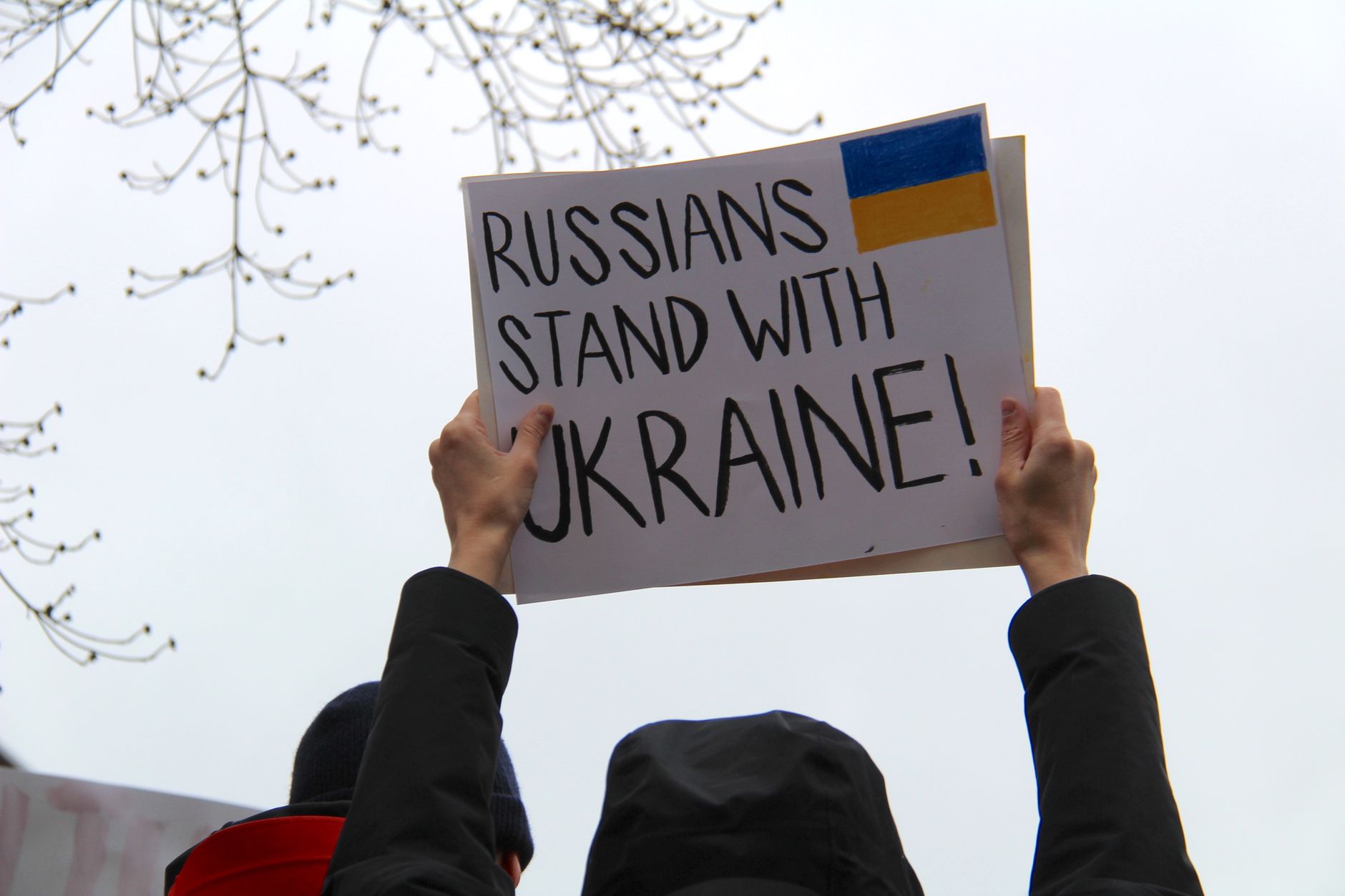
Russia Ukraine energy ceasefire claims have sparked debate, especially after Zelenskyy’s surprising response. The implications of this alleged agreement could be significant for both nations and their ongoing conflict.
Background on Russia Ukraine Relations
The ongoing conflict between Russia and Ukraine has significantly impacted the geopolitical landscape, especially in terms of energy resources. Over the years, both nations have been intertwined in a complex relationship characterized by historical ties and rising tensions.
Since the annexation of Crimea in 2014, Russia’s actions have led to a protracted conflict with Ukraine. This situation has escalated further, affecting not only political relations but also energy supplies. Ukraine has been reliant on Russian gas, making any cessation of hostilities critical for its energy security.
Recently, reports emerged claiming a potential energy ceasefire between Russia and Ukraine. However, Ukrainian President Volodymyr Zelenskyy expressed skepticism, stating, “this is news for me.” This statement underscores the uncertainty surrounding the ceasefire and its feasibility.
The implications of a Russia Ukraine energy ceasefire could be far-reaching, affecting energy prices in Europe and the stability of regional energy supply chains. The complexities of this relationship will continue to influence diplomatic discussions and economic strategies for both nations and their allies.
As the situation evolves, the international community remains watchful, hoping for a resolution that addresses energy concerns without compromising sovereignty.
What Trump Claims About the Ceasefire
In recent statements, former President Donald Trump claimed that Russia and Ukraine have reached a significant energy ceasefire, a development he asserts could lead to a more stable relationship between the two nations. However, Ukrainian President Volodymyr Zelenskyy has publicly dismissed these claims, stating, “This is news for me.” This stark contrast in narratives raises questions about the actual state of negotiations and agreements between the two countries.
Trump’s assertion comes amid ongoing tensions and conflict, where energy supplies have become a critical battleground. The former president emphasized the potential benefits of a ceasefire, suggesting that it could ease economic pressures on both nations and lead to a more peaceful resolution. He highlighted that energy resources play a vital role in the conflict and that any agreement could pave the way for further discussions.
Despite Trump’s optimistic outlook, the reaction from Zelenskyy indicates a lack of consensus on the matter. This discrepancy suggests that while diplomatic efforts may be ongoing, the reality on the ground remains complex. As the situation evolves, the implications of any potential energy ceasefire will be closely monitored by both political analysts and global leaders.
Zelenskyy’s Response to Trump’s Statement
In response to recent statements made by former President Donald Trump regarding a purported energy ceasefire between Russia and Ukraine, President Volodymyr Zelenskyy expressed skepticism. Zelenskyy remarked, “This is news for me,” emphasizing that he had not received any official confirmation of such an agreement. His comments highlight the complex dynamics at play in the ongoing conflict and the challenges surrounding diplomacy in the region.
Zelenskyy’s reaction underscores the broader concerns within Ukraine about the reliability of information regarding negotiations with Russia. The president’s statement indicates that any claims of a ceasefire, particularly one involving energy resources, must be approached with caution.
Furthermore, Zelenskyy pointed out the importance of a unified front among Western allies, emphasizing that any discussions about peace must include Ukraine’s sovereignty and territorial integrity. The potential for an energy ceasefire is a significant topic, as it could impact not only the immediate conflict but also the global energy market.
As the situation evolves, Zelenskyy’s administration remains focused on ensuring that any agreements reached prioritize Ukraine’s interests while navigating the complexities of international relations.
Potential Impacts on Energy Supply
The announcement of a potential Russia Ukraine energy ceasefire has raised numerous questions regarding its impact on energy supply in the region and beyond. If the ceasefire is successful, experts suggest it could lead to several significant changes.
- Increased Stability: A ceasefire could stabilize energy markets that have been volatile due to ongoing conflicts, allowing for more predictable pricing and supply lines.
- Supply Resumption: With hostilities reduced, both Russia and Ukraine could resume normal operations in energy production and transportation, potentially increasing the overall supply of natural gas and oil.
- European Dependence: Europe, which heavily relies on Russian energy, might see a shift in dynamics. A ceasefire could prompt European nations to reconsider their energy strategies, seeking alternatives while maintaining a connection with Russian supplies.
- Investment Opportunities: A more stable environment may attract foreign investments in both countries’ energy sectors, helping to modernize infrastructure and improve efficiency.
However, analysts warn that these potential benefits could be undermined by political instability and unresolved tensions, making the effectiveness of the Russia Ukraine energy ceasefire uncertain.
Reactions from Global Leaders
In the wake of the recent claims regarding a Russia Ukraine energy ceasefire, global leaders have reacted with a mix of skepticism and cautious optimism. Many are analyzing the implications of a potential ceasefire on energy supplies and international relations.
U.S. President Joe Biden expressed his concerns, stating, “While a ceasefire is essential, we must remain vigilant about the intentions behind such claims.” He emphasized the importance of ensuring that any agreement is genuinely upheld and monitored by independent observers.
European leaders have also weighed in. German Chancellor Olaf Scholz remarked, “We must be prepared for any scenario. Energy security remains a priority for Europe, especially in light of recent tensions.”
Meanwhile, NATO Secretary-General Jens Stoltenberg called for a thorough assessment of the situation, urging both parties to prioritize dialogue. “A ceasefire can pave the way for lasting peace, but it requires commitment from both sides,” he noted.
As reactions continue to unfold, it is clear that the international community remains watchful, hoping that the news of a ceasefire will lead to tangible results rather than mere rhetoric.
Historical Context of Energy Agreements
The historical context of energy agreements between Russia and Ukraine is marked by a complex interplay of political, economic, and social factors. Since Ukraine gained independence in 1991, the two nations have navigated a tumultuous relationship, particularly regarding energy resources.
For decades, Russia has been a key supplier of natural gas to Ukraine, which in turn serves as a transit country for Russian gas to Europe. This reliance has led to numerous disputes, often escalating into broader geopolitical tensions. Key events, such as the gas supply crises of 2006 and 2009, highlighted the vulnerability of Ukraine’s energy security and the leverage Russia held over its neighbor.
In the wake of ongoing conflicts, various attempts have been made to establish ceasefires, with energy agreements often serving as a focal point. The recent claims about a Russia Ukraine energy ceasefire suggest a potential thaw in relations, though skepticism remains. Historical precedents reveal that agreements can be fragile, easily undermined by shifts in political dynamics or external pressures.
The impact of such agreements extends beyond the two nations, influencing energy markets and geopolitical alliances across Europe and beyond.
Public Opinion on the Ceasefire
Public opinion on the recent claims regarding a Russia Ukraine energy ceasefire reveals a divided sentiment among citizens and analysts alike. Many view the ceasefire as a potential turning point in the ongoing conflict, while others express skepticism regarding its feasibility and long-term implications.
A survey conducted by a leading research firm indicated that:
- 45% of respondents believe that the ceasefire could lead to a more stable energy market in Europe.
- 30% are doubtful, citing previous failed agreements between the two nations.
- 25% remain undecided, awaiting further developments and official statements.
Experts highlight that public perception is heavily influenced by news coverage and political rhetoric surrounding the ceasefire. Many people recall past promises that were not fulfilled, leading to an atmosphere of distrust.
Emphasizing the importance of diplomacy, a local energy analyst stated, “The Russia Ukraine energy ceasefire, if genuine, could unlock new avenues for cooperation, but it requires transparency and commitment from both sides.” This sentiment reflects a cautious optimism among those who hope for a peaceful resolution to the conflict.
Future of Russia Ukraine Negotiations
The future of Russia-Ukraine negotiations remains uncertain following recent claims of an energy ceasefire. While former President Trump asserts that both nations have reached an agreement, Ukrainian President Volodymyr Zelenskyy has publicly dismissed these statements, calling them unexpected. This discrepancy highlights the complexities surrounding diplomatic discussions between the two countries.
As both parties navigate a landscape marked by ongoing conflict, the focus on energy supply and agreements becomes increasingly critical. A ceasefire concerning energy could serve as a foundation for broader negotiations, potentially leading to a more stable relationship. However, the lack of consensus on what has been agreed upon complicates the situation.
International observers are closely monitoring developments, recognizing that the potential for collaboration on energy could influence the geopolitical dynamics in the region. Analysts suggest that successful negotiations may hinge on the willingness of both Russia and Ukraine to engage in meaningful dialogue, with the energy ceasefire acting as a possible turning point.
- Continued engagement from international mediators may be essential.
- The role of energy resources in future discussions cannot be underestimated.
- The possibility of renewed hostilities remains a concern for both nations.
The recent developments surrounding the Russia Ukraine energy ceasefire have sparked discussions on the long-term effects on energy security in Europe. Analysts suggest that the Russia Ukraine energy ceasefire could reshape the geopolitical landscape and influence future energy policies.
Photo by Sima Ghaffarzadeh on Pexels